
Losing the weight was the hard part, right? Not quite. Ask anyone who has done it and they will tell you the real test comes months later, when the excitement has faded, the compliments have stopped and the old habits start knocking. This guide is about that stretch: how to maintain weight loss over the next 6 to 12 months, season by season, without turning your life into a permanent diet.
The quick answer
To maintain weight loss, keep the habits that got you there, but make them lighter and automatic: stay active most days, keep a similar eating pattern on weekdays and weekends, eat a filling breakfast, weigh yourself about once a week and act on small gains early. Plan for holidays and pauses instead of hoping they will not happen, and check in with your doctor at your regular visits. An effortless daily anchor like Akemi Coffee Boost in your morning coffee helps keep cravings and fullness on your side all year.
Why maintenance is its own phase
There is a widespread belief that almost nobody keeps weight off. The research is more encouraging. A review by Rena Wing and Suzanne Phelan in the American Journal of Clinical Nutrition (2005) estimated that roughly 20% of people with overweight succeed at long-term weight loss, defined as losing at least 10% of their starting weight and keeping it off for at least a year.
That is not everyone, but it is far from no one. The same review drew on the National Weight Control Registry, a long-running US registry of people who have kept weight off. Its members had lost an average of 33 kg (about 73 pounds) and maintained the loss for more than 5 years. And there is one finding worth remembering on a tough week: after people had maintained their loss for 2 to 5 years, their chance of longer-term success rose considerably. In other words, it gets easier.
Maintenance feels different from losing because the rewards change. The scale no longer moves down every week, so motivation has to come from somewhere else: how you feel, how your clothes fit and the confidence of a routine that runs on autopilot.
What people who keep weight off actually do
According to the Wing and Phelan review, registry members reported a short, consistent list of habits:
- High levels of physical activity, about an hour a day on average. That does not have to mean the gym: walking counts.
- A lower-calorie, lower-fat way of eating that they kept up, rather than a short-term diet.
- Eating breakfast regularly.
- Self-monitoring their weight, so a small gain gets noticed before it becomes a big one.
- A consistent eating pattern across weekdays and weekends, instead of being “good” Monday to Friday and making up for it on Saturday.
Registry members are a self-selected group, so these are habits linked with success rather than a proven recipe. Still, the pattern is clear: none of these habits is dramatic. They are repeatable. That is the whole idea of maintenance.
Your first 12 months: a month-by-month map
Use this as a rough guide for the year after you reach your goal (or after you settle into a routine you are happy with). It is not a schedule to follow perfectly; it is a reminder of what to pay attention to as the months go by.
| When | Focus | What to check |
|---|---|---|
| Months 1–3 | Turn your weight-loss habits into “normal life” habits; add back a little food slowly if you were eating very little | Weekly weigh-in trend, energy, hunger between meals |
| Months 4–6 | The novelty wears off; keep your anchors (morning coffee routine, daily walk, protein breakfast) | Portion creep, more snacks, fewer steps |
| Months 7–9 | Refresh the routine: a new walking route, new recipes, a new activity so it does not get stale | Weekend eating vs. weekday eating |
| Months 10–12 | Review the year with your doctor at your regular checkup; set a simple goal for year two | Blood pressure, blood sugar and any medications that may need review |
A helpful rule many people use: pick a small “action range” around your current weight, for example 3 to 5 pounds. If the weekly trend moves past it, you do not panic; you simply tighten the basics for a couple of weeks. Our guide on how long it takes to lose 10 pounds explains why the scale bounces day to day, which is exactly why you watch the weekly trend.
Season by season: what changes through the year
Your routine does not live in a vacuum. Each season brings its own traps, and planning for them is a lot easier than fighting them in the moment.
- Winter (November to February). The holiday stretch from Thanksgiving to New Year is the classic maintenance test, and cold, dark evenings cut activity. Keep your morning routine untouched even when evenings are full of parties, and move your walk to lunchtime when it gets dark early. Our Thanksgiving dinner guide shows how to enjoy the big meals without losing the plot.
- Spring (March to May). Longer days make it easier to be active again. This is a great time to refresh your activity and to add strength training if you have not yet.
- Summer (June to August). Vacations, cookouts and sweet iced coffee drinks are the main traps. Keep an eye on what goes into your iced coffee and on drinks in general, and stay hydrated.
- Fall (September to October). Back-to-school and work routines return, which is often the easiest time to reset. Use it to re-establish your weekly weigh-in and meal planning before the holidays.
Pauses happen: how to handle them
Over 12 months you will almost certainly have weeks when the routine slips: a trip, a cold, a family event. That is normal and it is not a failure. What matters is the restart. Go back to your easiest habit at the next meal or the next morning coffee, do not try to “make up” for missed days by skipping meals, and add the other habits back over a few days. We wrote a whole guide on how to get back on track with weight loss after a break.
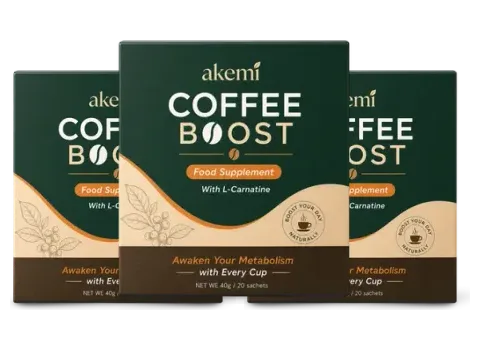
This is also where an effortless daily habit earns its place. Akemi Coffee Boost is a flavorless sachet you stir into the coffee you already drink, with fiber for fullness and plant extracts that support steadier blood sugar after meals. Because it attaches to something you do every single morning anyway, it is one of the easiest habits to keep going through busy months and to pick back up after a pause.
When to reassess (and talk to your doctor)
Maintenance is a good time to look beyond the scale. Use your regular checkups to review blood pressure, blood sugar, cholesterol and how you feel overall. Talk to your doctor sooner if:
- your weight changes by several pounds without an obvious reason;
- you take medication for blood pressure or blood sugar, since doses sometimes need to be adjusted as your weight changes;
- you start a new medication, become pregnant or develop a new health condition;
- you plan to keep using any supplement for many months and want to check it fits your health picture.
As you get older, priorities shift slightly too, especially protecting muscle. Our guide to weight loss by age covers what to adjust in your 30s, 40s, 50s and 60s.

Our recommendation: Akemi Coffee Boost
For the long haul, Akemi Coffee Boost is the option we recommend. Maintenance is won by habits that cost almost no effort, and this one rides along with the coffee you already drink every morning, 365 days a year.
- Helps keep cravings and fullness on your side. Psyllium husk and resistant dextrin add fiber to help you stay satisfied, and white kidney bean and mulberry leaf support steadier blood sugar after carb-heavy meals, which makes the afternoon snack attack easier to skip.
- Gentle, steady energy. Green tea, green coffee bean and L-carnitine support energy and a healthy metabolism, with only about 30 mg of natural caffeine per sachet.
- Built to fit any season. Flavorless and odorless, it dissolves in hot coffee in winter and iced coffee in summer, and the sachets are easy to pack for trips.
- No subscription to manage. 1 box $29.99, 2 boxes $49.98 ($24.99 each) or 3 boxes $59.97 ($19.99 each, about $1 a day). Each box holds 20 sachets, it is a one-time purchase and you reorder only when you want to; shipping is calculated at checkout.
Customers rate it 4.8/5 across 3,758 reviews on the official site, and every order comes with a 30-day money-back guarantee. It is sold only on the official website. Pair it with the habits above and you have a maintenance routine that is simple enough to last.
As always, if you are pregnant, nursing, taking medication or managing a health condition, talk to your doctor before adding any supplement to your routine.
Frequently asked questions
How do you maintain weight loss long term?
People who keep weight off tend to repeat the same small set of habits: regular physical activity, a consistent eating pattern on weekdays and weekends, breakfast, checking their weight regularly and correcting small gains early. The key is choosing habits you can keep for years, not weeks.
How long does it take for your body to adjust to a new weight?
There is no fixed number of months. What research from the National Weight Control Registry does show is that maintenance seems to get easier with time: after people have kept their weight off for 2 to 5 years, their chance of longer-term success rises considerably.
How often should I weigh myself when maintaining?
Many successful maintainers weigh themselves at least once a week. Weekly is a good middle ground: often enough to spot a creeping trend early, not so often that normal day-to-day water swings throw you off.
Can I take Akemi Coffee Boost long term?
Akemi Coffee Boost is designed as a daily habit: one sachet a day in your coffee, tea or water. Follow the label, and if you take medication, have a health condition or plan to use any supplement for many months, check with your doctor at your regular visits.
Is it normal to regain a few pounds after losing weight?
Small ups and downs of a few pounds are normal, especially around holidays, travel or illness. What matters is noticing the trend early and returning to your routine, rather than waiting until the gain is large.
When should I talk to my doctor during maintenance?
At your regular checkups, and sooner if your weight changes by several pounds without an obvious reason, if you start a new medication, or if you take medicine for blood pressure or blood sugar, since doses sometimes need to be reviewed as your weight changes.
The best maintenance plan is the one you can repeat every morning. Keep your coffee working for you all year.