
“I eat the same as I did at 30, so why is the scale creeping up?” If that sounds familiar, you are not imagining it. Weight loss does change with age, but probably not for the reason you have heard. This guide walks through what typically shifts in your 30s, 40s, 50s and 60s, what to adjust at each stage and how to keep the plan simple enough to last.
The quick answer
Your metabolism is fairly stable from about 20 to 60, according to a large 2021 study in Science. What changes with age is mostly how much you move, how much muscle you keep, how well you sleep and how often you eat, plus menopause for women in their late 40s and 50s. The fix at every age is the same core routine (protein and fiber at meals, daily movement, strength training, 7+ hours of sleep) with small tweaks per decade, and a craving-control habit like Akemi Coffee Boost in your morning coffee fits all of them.
The myth: “my metabolism crashed at 40”
For years, the standard explanation for midlife weight gain was a slowing metabolism. In 2021, a research team led by Herman Pontzer published one of the largest studies on the subject in the journal Science, analyzing daily energy expenditure in more than 6,000 people from infancy to their 90s. The finding surprised many people: once you account for body size and composition, energy expenditure holds steady from roughly age 20 to 60, then declines gradually after that.
That is good news, because it means the main drivers of weight gain in your 30s, 40s and 50s are things you can influence: daily movement, muscle, sleep, stress and eating habits. Each decade simply tends to push those levers in a different direction.
Weight loss by age: the decade-by-decade overview
Use this table as a map. These are general patterns, not rules, and your own health history matters more than your birthday.
| Age | What often changes | What to adjust |
|---|---|---|
| 30s | Career and family push exercise and sleep down the list; more takeout, more snacking, more sitting | Protect a daily walk, plan quick protein breakfasts, cap sweet coffee drinks |
| 40s | Muscle starts to slip if unused; stress and short sleep raise cravings; perimenopause for many women | Add strength training 2x a week, guard sleep, build fiber into every meal |
| 50s | Menopause shifts fat toward the belly; joints may limit high-impact exercise; more medications | Lower-impact cardio, more protein per meal, regular checkups, watch portion creep |
| 60s+ | Energy expenditure starts a slow decline; appetite may drop; muscle and balance matter more | Prioritize protein and strength, add balance work, talk to your doctor before big changes |
In your 30s: the busy decade
Biologically, your 30s are usually kind to your body. The challenge is time. New jobs, young kids and long commutes mean the gym slips, lunch comes from a drive-thru and the afternoon coffee turns into a 400-calorie treat. Small, repeated habits add up quietly.
- Anchor one daily walk. Even 20–30 minutes helps with energy, stress and after-meal blood sugar.
- Fix breakfast first. Eggs, Greek yogurt or overnight oats keep you full far longer than a pastry on the run.
- Watch your coffee order. Syrups and whipped cream are where many 30-somethings lose the plot. Our list of weight loss coffee mistakes shows the easy fixes.
In your 40s: muscle, stress and sleep
This is the decade when many people first say “it’s harder now.” Muscle mass tends to decline gradually from midlife if you do not use it, and muscle is the tissue that keeps your daily calorie burn up. Stress and shorter sleep raise hunger and make sweets more tempting the next day. For many women, perimenopause begins, which can disrupt sleep and mood.
- Start strength training. The US Physical Activity Guidelines recommend muscle-strengthening activities on at least 2 days a week, on top of 150 minutes of moderate activity.
- Treat sleep as part of the plan. The CDC recommends at least 7 hours a night for adults.
- Make fiber automatic. Vegetables, beans, oats and berries help you stay full and keep blood sugar steadier between meals.
This is also where a no-effort habit pays off. Akemi Coffee Boost is a flavorless sachet you stir into your morning coffee, with fiber for fullness and plant extracts that support steadier blood sugar after meals, so the afternoon craving has less pull on a stressful day.
In your 50s: menopause and the midsection
For women, menopause usually arrives in the early 50s. The drop in estrogen does not, by itself, make you gain a lot of weight, but it tends to shift where fat is stored, toward the belly, and it often comes with poorer sleep. Men in their 50s face their own changes: less muscle, more sitting and often a few new prescriptions. Joints can make running or jumping less appealing.
- Go lower-impact, not lower-effort. Brisk walking, cycling, swimming and resistance bands work your heart and muscles without pounding your knees.
- Put protein at every meal. It helps protect muscle and keeps you satisfied for longer.
- Mind the portion creep. Plates tend to grow while activity shrinks. Serving dinner on a smaller plate is a surprisingly effective trick.
- Keep up with checkups. Blood pressure, blood sugar and thyroid checks help explain changes the scale cannot.
In your 60s and beyond: protect muscle and balance
After 60, energy expenditure does begin a slow decline, and appetite can drop too. The goal shifts slightly: not just losing weight, but losing it while keeping muscle, strength and balance, which matter for staying independent. Crash diets are a particularly bad idea at this age because they can cost muscle you need.
- Strength and balance, every week. Older adults are advised to combine aerobic, muscle-strengthening and balance activities.
- Do not skimp on protein. Smaller appetites make it easy to fall short.
- Talk to your doctor first. Medications, blood sugar and blood pressure all matter before changing your diet or adding a supplement.
What people try at every age (and why it rarely sticks)
Every decade has its favorite shortcut: juice cleanses in the 30s, extreme low-carb in the 40s, skipping meals in the 50s. Most fail for the same reason: they demand a lot of willpower at the exact moment life is busiest. What lasts is a routine you barely have to think about. If you want a realistic pace, our guide on how long it takes to lose 10 pounds explains why 1 to 2 pounds a week is the sustainable target at any age.
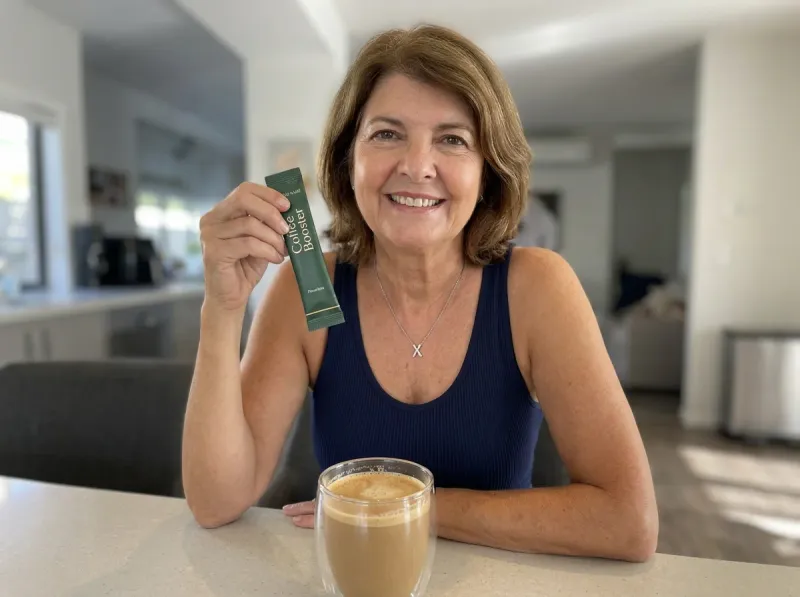
Our recommendation: Akemi Coffee Boost
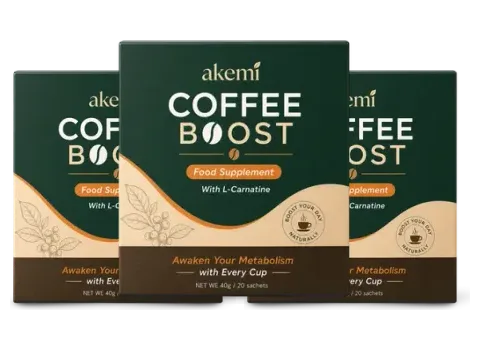
Whatever decade you are in, Akemi Coffee Boost is the option we recommend for making your weight management routine easier to keep. It does not ask you to change your morning; it works with the coffee you already drink.
- Fullness and fewer cravings. Psyllium husk and resistant dextrin add fiber to help you stay satisfied, and white kidney bean and mulberry leaf support steadier blood sugar after carb-heavy meals.
- Steady energy without the jitters. Green tea, green coffee bean and L-carnitine support energy and a healthy metabolism, with only about 30 mg of natural caffeine per sachet.
- Zero effort. Flavorless and odorless, it dissolves in hot or iced coffee, tea or water. One sachet a day.
- Clear pricing. 1 box $29.99, 2 boxes $49.98 ($24.99 each) or 3 boxes $59.97 ($19.99 each, about $1 a day). One-time purchase, no subscription; shipping is calculated at checkout.
Customers rate it 4.8/5 across 3,758 reviews on the official site, and every order is covered by a 30-day money-back guarantee. It is sold only on the official website, and like any daily habit it works best with a few weeks of consistent use alongside the adjustments for your decade above.
As always, if you are pregnant, nursing, taking medication or managing a health condition, talk to your doctor before adding any supplement to your routine.
Frequently asked questions
Does your metabolism really slow down after 30 or 40?
Not as much as most people think. A large study published in Science in 2021 (Pontzer and colleagues, more than 6,000 people) found that daily energy expenditure, adjusted for body size and composition, stays fairly stable from about age 20 to 60 and only starts to decline slowly after 60. Midlife weight gain is usually driven more by less movement, lost muscle, poorer sleep and more eating occasions.
Why is it harder to lose weight after 40?
Life tends to get busier and more sedentary, muscle mass slowly declines if it is not used, sleep often gets shorter and, for women, the years around menopause bring hormonal changes that shift where fat is stored. None of these make weight loss impossible; they just mean the routine needs a few adjustments.
Is it too late to lose weight in your 60s?
No. People lose weight and improve their fitness at every age. After 60 the priorities shift slightly: keep protein up, protect muscle with strength exercises, add balance work and check with your doctor about medications and any health conditions before making big changes.
What is the best exercise for weight loss as you get older?
A mix. US guidelines suggest at least 150 minutes of moderate activity a week plus muscle-strengthening activities on 2 or more days. Walking keeps you moving; strength training protects the muscle that keeps your daily calorie burn up. Older adults are also advised to add balance training.
Can I take Akemi Coffee Boost in my 50s or 60s?
Akemi Coffee Boost is designed for adults and has about 30 mg of natural caffeine per sachet, far less than a typical cup of coffee. If you take medication, have a health condition such as diabetes or high blood pressure, or are unsure, ask your doctor before adding any supplement.
Whatever decade you are in, the easiest habit is the one you already have. Make your morning coffee part of the plan.