Search for weight-loss help and you will find meal kits, apps, coaches, shakes, gadgets and gym memberships, all asking for your card. It is easy to assume that losing weight has to be expensive. It does not. Most of what actually moves the scale is free, and the few things worth paying for are small and practical. Here is how to spend smart, what to skip, and the simple, low-cost routine we recommend.
The quick answer
You can lose weight on a tight budget, because the habits that matter most (a moderate calorie deficit, home-cooked filling meals, water instead of sugary drinks, daily walking and good sleep) cost little or nothing. Spend money only on things that make those habits easier to keep every single day, and favor a low cost per day, no subscriptions and a money-back guarantee.
Why weight loss feels expensive (when it does not have to be)
The weight-loss market is built around convenience and motivation. Many programs bundle simple advice with a monthly fee, recurring deliveries or an app subscription that keeps billing long after the excitement fades. None of that is wrong on its own, but it creates the impression that results come from the purchase rather than from the daily habits behind it.
The honest truth is that your body responds to what you do every day: how much you eat, how full you feel, how much you move and how well you sleep. A pricey plan you abandon in three weeks costs more than a cheap habit you keep for three months.
The free foundations: what costs nothing
- A moderate calorie deficit. Eating a little less than you burn is the engine of weight loss. Smaller portions, fewer second helpings and fewer liquid calories cost nothing.
- Swapping sugary drinks for water, coffee or tea. Soda, sweet coffee drinks and juice add calories without filling you up. Cutting them saves money and calories at the same time.
- Walking. A brisk 20–30 minute walk most days is free, gentle on the joints and easy to fit around work.
- Sleep. Short nights tend to bring bigger appetites and stronger cravings the next day. Going to bed 30 minutes earlier is one of the cheapest upgrades there is.
- Eating slowly and at a table. Fewer distractions help you notice when you are satisfied.
- Free workouts. Body-weight exercises and free online videos work at home with zero equipment.
Smart, cheap groceries that keep you full
Food is where most of your budget goes anyway, so make it work for you. Filling, low-cost staples include oats, eggs, beans, lentils, potatoes, frozen vegetables, frozen berries, canned tuna or salmon, plain yogurt and seasonal fruit. Protein and fiber are the two things that keep you full the longest, which makes it easier to eat less without fighting hunger. Plan a few simple meals for the week, cook in batches and buy store brands. Packing lunch instead of buying it is often the single biggest money-saver and calorie-saver at once.
What is worth paying for (and what you can skip)
When you do spend, judge every option by one question: will this help me repeat a good habit every day? Here is a simple way to compare common choices by effort and value rather than hype.
| Option | Ongoing effort | Our take |
|---|---|---|
| Monthly meal-delivery or diet programs | Low effort, recurring bills | Convenient, but easy to drop once the subscription feels heavy |
| Personal trainer or coaching | Scheduled sessions | Great for motivation, but not essential for most beginners |
| Gym membership | Travel and time | Worth it only if you will really go; walking is free |
| Meal-replacement shakes | Daily, replaces real meals | Many people find them hard to keep up long term |
| Kitchen scale and food storage boxes | One-time purchase | Cheap and useful for portions and batch cooking |
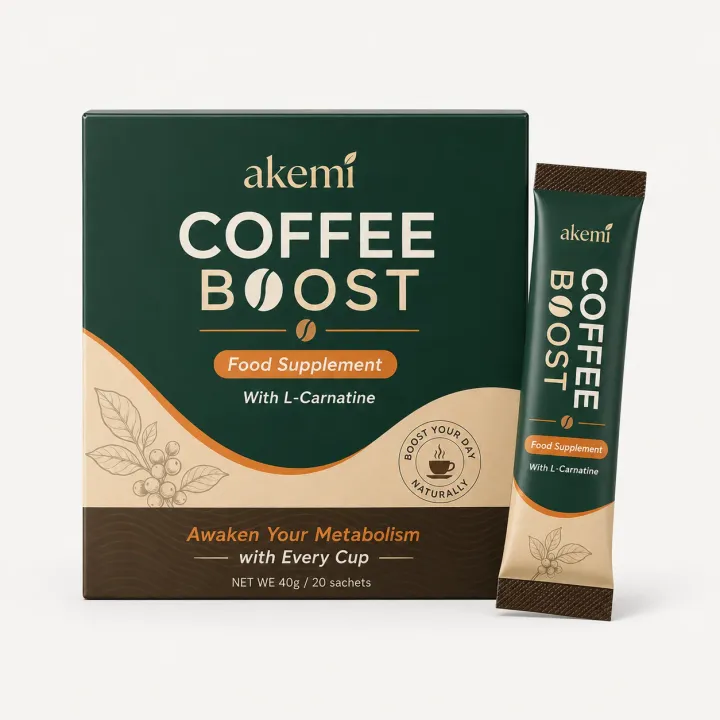
| A coffee booster like Akemi Coffee Boost | Seconds a day, in coffee you already drink | Low cost per day, no subscription, money-back guarantee |
The pattern is clear: the best-value purchases are the ones that add almost no effort to your day. That is why we like daily add-ons that ride along with an existing habit. If you already drink coffee every morning, a flavorless sachet like Akemi Coffee Boost turns that cup into part of your plan without changing your routine.
Budget traps to avoid
- Hidden subscriptions. Always check whether a “trial” turns into automatic monthly billing.
- Fancy “diet” snacks. Many cost more than regular food and are not more filling. A piece of fruit and a yogurt usually do the job.
- Buying everything at once. New shoes, an app, a blender and a program on day one is a recipe for regret. Start with one or two habits.
- Crash diets. They tend to backfire with rebound hunger, which costs money in takeout and snacks later.
- Sweet coffee-shop drinks. A daily flavored latte can quietly add hundreds of calories and dollars every week. Our guide to what to put in your coffee to lose weight shows smarter add-ins.
A simple, low-cost daily routine
- Morning coffee, upgradedBrew at home, skip the sugary creamer and stir in one sachet of Akemi Coffee Boost.
- Protein breakfastEggs, oats with yogurt, or leftovers. Cheap and filling.
- Packed lunchBeans or chicken, a starch and a big portion of frozen or fresh vegetables.
- A 20–30 minute walkAfter lunch or dinner is ideal for most people.
- Water between mealsKeep a bottle with you; thirst is easy to mistake for hunger.
- Simple dinner and a set bedtimeA modest plate, a kitchen that “closes” after dinner and seven to nine hours of sleep.
Expect steady progress rather than overnight change. Our guide to how long it takes to lose 10 pounds explains what a realistic timeline looks like, and if afternoon sweets are your weak spot, start with our tips to stop sugar cravings.
Our recommendation: Akemi Coffee Boost
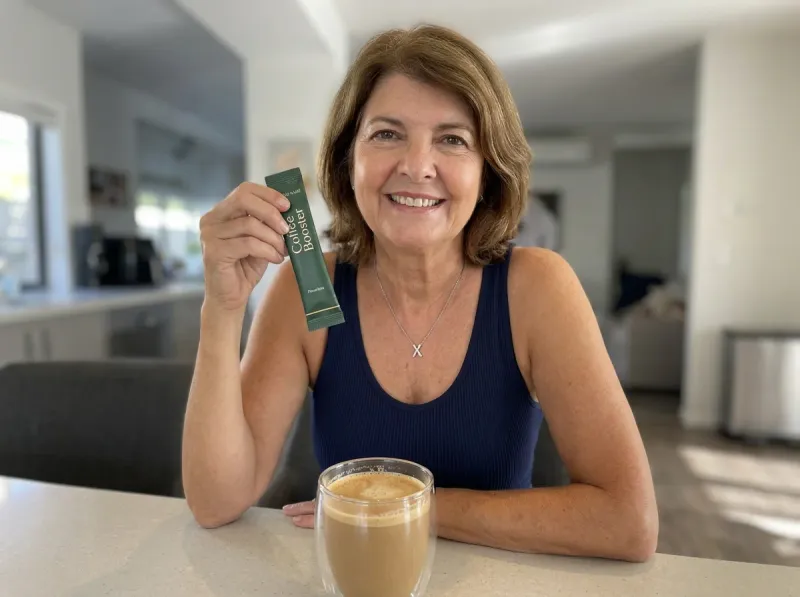
If you want to spend on just one thing, Akemi Coffee Boost is the option we recommend. It is the most practical way to add weight-management support to your day for about a dollar, because it rides along with a habit you already have: your morning coffee. No new appointments, no meal plans to follow, no taste change.
- Fuller mornings for less. Psyllium husk and resistant dextrin add fiber to your cup to help you feel full, which makes it easier to skip the vending machine and the drive-through.
- Support for everyday meals. White kidney bean extract is the well-known carb blocker, and mulberry leaf and green coffee bean extracts are included to support steadier blood sugar after meals.
- Energy without the overload. Green tea extract and L-carnitine complete the 7 plant-based ingredients, with only about 30 mg of natural caffeine per sachet.
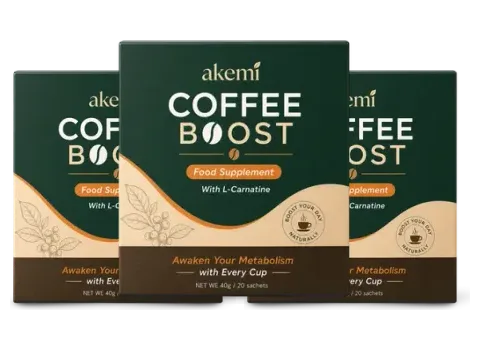
- Budget-friendly by design. 1 box $29.99, 2 boxes $49.98 ($24.99 each) or 3 boxes $59.97 ($19.99 each, about $1 a day). It is a one-time purchase with no subscription, so there are no surprise monthly charges.
Customers rate it 4.8/5 across 3,758 reviews on the official site, shipping is calculated at checkout, and every order is protected by a 30-day money-back guarantee, so you can try it with very little risk. The only small catch: it is sold only on the official website, and like any daily habit it works best with a few weeks of consistent use.
As always, if you are pregnant, nursing, taking medication or managing a health condition, talk to your doctor before starting a weight-loss plan or adding any supplement.
Frequently asked questions
Can you really lose weight without spending money?
Yes. The foundations of weight loss are free or close to it: eating a little less than you burn, cooking simple meals at home, walking, drinking water instead of sugary drinks and sleeping well. Paid tools can make those habits easier to stick with, but they are optional, not required.
What is the cheapest healthy food for weight loss?
Budget staples that are filling for their cost include oats, eggs, beans and lentils, frozen vegetables, frozen fruit, canned fish, plain yogurt, potatoes and seasonal produce. Buying store brands and cooking in batches stretches them even further.
Is it worth paying for a weight-loss supplement?
It can be, if it supports a habit you will actually keep and the cost per day is reasonable. Look for a clear ingredient list, a one-time purchase with no hidden subscription and a money-back guarantee. A supplement supports your routine; it does not replace eating well and moving more.
How much does Akemi Coffee Boost cost per day?
On the official site, 1 box (20 sachets) is $29.99, 2 boxes are $49.98 ($24.99 each) and 3 boxes are $59.97 ($19.99 each). With the 3-box bundle that works out to about $1 a day. It is a one-time purchase, shipping is calculated at checkout, and there is a 30-day money-back guarantee.
Do I need a gym membership to lose weight?
No. Walking, body-weight exercises at home, free workout videos and taking the stairs all count. Many people find a daily walk easier to keep than a gym routine, and consistency is what matters most.
When should I talk to a doctor before trying to lose weight?
Talk to your doctor first if you have diabetes, heart disease, high blood pressure, a history of eating disorders, take regular medication, or are pregnant or nursing. The same applies before adding any supplement.
The smartest money you can spend on weight loss is the money that keeps a good habit going. One sachet of Akemi Coffee Boost in the coffee you already drink costs about $1 a day with the 3-box bundle, and every order is a one-time purchase covered by a 30-day money-back guarantee.