
Pasta night, a sandwich at lunch, toast at breakfast — carbs are everywhere, and cutting them out completely is something most people cannot keep up for long. That is why “carb blockers” sound so appealing: what if you could keep eating normally and simply absorb less of the starch? Here is what carb blockers really are, what they can and cannot do, and the simplest way to use one.
The quick answer
Carb blockers can help, but modestly. The most common one, white kidney bean extract, is designed to slow down alpha-amylase, the enzyme that breaks starch into sugar, so part of the starch you eat passes through undigested. Research is mixed and the effect is not dramatic, so a carb blocker works best as one piece of a routine with protein, fiber and fewer sugary drinks. The easiest way to stay consistent is to build it into something you already do every day, like your morning coffee.
The problem: carbs are hard to cut, and the swings drive cravings
Starchy foods like white bread, pasta, rice and potatoes are digested quickly. Your blood sugar rises, insulin brings it back down, and a couple of hours later you may feel tired and hungry again. That up-and-down pattern is one of the main reasons behind the afternoon slump and the trip to the snack drawer we cover in our guide on how to stop sugar cravings.
The obvious fix is to eat fewer carbs. The trouble is that strict low-carb plans are hard to keep up with family dinners, work lunches and busy weeks. Most people do not fail because they lack willpower; they fail because the plan does not fit their life.
How carb blockers are meant to work
Before starch can be absorbed, your body has to break it down into simple sugars. The enzyme that starts that job is called alpha-amylase. White kidney bean extract (from Phaseolus vulgaris) contains a natural compound that is designed to slow this enzyme down.
- Less starch absorbed. If part of the starch is not broken down, part of it is not absorbed as sugar, so you do not get the full calorie load from it.
- A gentler rise after meals. Slower starch digestion can mean a smoother blood sugar curve after a carb-heavy meal.
- Starch only. It targets starch, not table sugar, fat or alcohol, so it is not a license to ignore what is in your cup or on your plate.
What the research honestly says
White kidney bean extract has been studied more than most weight-management ingredients, but the results are mixed. Some small trials have reported modest benefits when it was combined with a balanced diet, while others found little difference. Many studies are short and small, and some were funded by ingredient makers.
So the fair summary is this: a carb blocker is a helper, not a miracle. It seems most useful for people who eat a fair amount of starch and who pair it with other good habits. Anyone promising that a pill lets you eat a whole pizza “for free” is overselling it.
What people usually try (and why it often stalls)
| Approach | What happens in real life |
|---|---|
| Cutting carbs completely | Works for some, but is hard to keep up for months; many people rebound. |
| Stand-alone carb blocker pills | Easy to forget, since you have to remember them before meals. |
| Strict keto | A big lifestyle change, constant label-reading, and social meals get tricky. |
| Doing nothing | The blood sugar roller coaster and the cravings keep going. |
| Carb blocker + fiber in a daily habit | Fits your normal day, so you actually keep doing it. |
Our comparison of coffee boosters vs. diet pills vs. keto goes deeper into why consistency matters more than intensity.
How to get the most out of a carb blocker
- Pair it with fiberFiber slows digestion and helps you feel full, which supports the same goal from a different angle.
- Eat protein firstStarting a meal with eggs, chicken, fish or Greek yogurt helps keep the carb portion naturally smaller.
- Watch the sugar, not just the starchSince carb blockers target starch, sweet coffee drinks and sodas still count in full. Our guide to what to put in your coffee to lose weight lists better swaps.
- Walk for 10 minutes after big mealsA short walk helps your muscles use glucose and is one of the easiest habits to add.
- Be consistentAn ingredient you take every day beats one you remember twice a week. Attaching it to a habit you already have is the secret.
That last point is exactly why we like the coffee approach. Akemi Coffee Boost puts white kidney bean extract into a flavorless sachet you stir into the coffee you already drink, so there is no pill to remember.
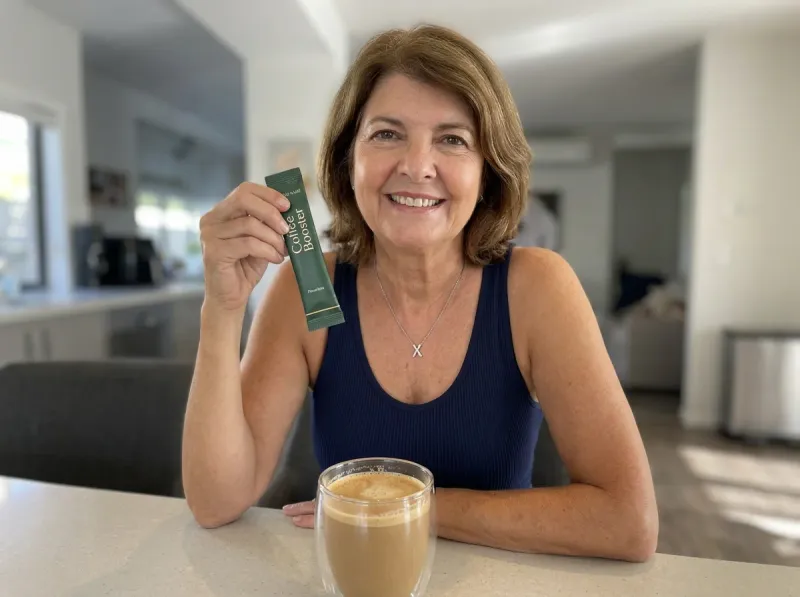
Our recommendation: Akemi Coffee Boost
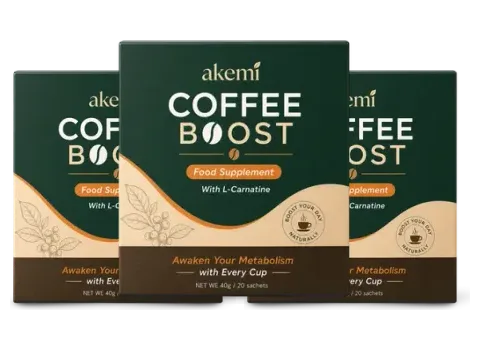
If you want the benefits of a carb blocker without changing your routine, Akemi Coffee Boost is the option we recommend. It was made for exactly this situation: people who love their coffee, eat normal meals and want simple daily support for cravings and weight management.
Instead of a single ingredient, each flavorless, odorless sachet combines 7 plant-based ingredients that pull in the same direction:
- White kidney bean extract — the well-known carb blocker that targets alpha-amylase.
- Mulberry leaf and green coffee bean extracts — to support steadier blood sugar after meals (see our deep dive on mulberry leaf extract).
- Resistant dextrin and psyllium husk — two fibers that help you feel full for longer.
- Green tea extract and L-carnitine — to support energy and a healthy metabolism.
It dissolves in hot or iced coffee (or tea, water or a smoothie) without changing the taste and adds only about 30 mg of natural caffeine. Customers rate it 4.8/5 across 3,758 reviews on the official site. Jen M., who had tried keto before, put it simply: “Finally something that works without keto.”
Pricing is straightforward: 1 box $29.99, 2 boxes $49.98 ($24.99 each) or 3 boxes $59.97 ($19.99 each, about $1 a day). It is a one-time purchase with no subscription, shipping is calculated at checkout, and every order is covered by a 30-day money-back guarantee. The only small catch: it is sold only on the official website, and like any daily habit it can take a few weeks to show its full effect.
As always, if you are pregnant, nursing, taking medication or managing a health condition, talk to your doctor before adding any supplement.
Frequently asked questions
Do carb blockers actually work?
They can help a little, as part of a bigger routine. White kidney bean extract is designed to slow down the enzyme that digests starch, so part of the starch you eat is not absorbed. Research results are mixed and the effect is modest, so carb blockers work best alongside balanced meals, not as a free pass to eat unlimited carbs.
What is the best natural carb blocker?
White kidney bean extract (Phaseolus vulgaris) is the best-known natural carb blocker and the one most often studied. It targets starches from foods like bread, pasta, rice and potatoes rather than sugar.
When should I take a carb blocker?
Most carb blockers are meant to be taken with or shortly before a starchy meal. If yours comes in your morning coffee, the easiest routine is simply to take it at the same time every day so you never forget it.
Do carb blockers block sugar too?
Not really. White kidney bean extract mainly affects starch. Table sugar and sweet drinks are digested differently, which is why cutting back on sugary coffee drinks and snacks still matters.
Are carb blockers safe?
White kidney bean extract is generally well tolerated by healthy adults; the most common complaints are mild gas or bloating at first. If you are pregnant, nursing, take medication (especially for blood sugar) or have a health condition, talk to your doctor before using any supplement.
Can I take a carb blocker in my coffee?
Yes, if it is designed for it. Akemi Coffee Boost combines white kidney bean extract with six other plant-based ingredients in a flavorless sachet you stir into hot or iced coffee once a day.
Ready to make your morning coffee do more? Akemi Coffee Boost is a one-time purchase backed by a 30-day money-back guarantee.