
Alarm goes off, feet hit the floor, coffee goes on. For millions of people the first cup of the day arrives long before the first bite of food, and the internet has plenty to say about it. One video says coffee on an empty stomach “destroys your gut.” Another says it is the secret to burning fat. So what is actually true? Let’s go claim by claim.
The quick answer
For most healthy adults, coffee on an empty stomach is neither dangerous nor a fat-burning hack. It is simply coffee. A few people get heartburn or jitters when they drink it before eating, and the “fasted coffee burns more fat” idea is far smaller than the hype suggests. What matters for cravings and weight management is what goes into the cup and what you eat around it. The simplest upgrade: add fiber and plant extracts to your morning coffee instead of sugar and syrups.
Why this question comes up so much
Coffee is the most popular morning habit in America, and weight loss is one of the most searched goals. Put the two together and you get a wave of confident claims in both directions. Some come from the “coffee is bad for you” camp; others from the viral coffee loophole trend that frames black coffee as a fat-burning tool. Most of the confusion disappears once you separate what coffee does from what sugar, skipped meals and caffeine overload do.
7 claims about coffee on an empty stomach, sorted
| Claim | Verdict | What is actually going on |
|---|---|---|
| 1. It damages your stomach lining | Myth | Coffee stimulates acid, but there is no good evidence that moderate coffee causes ulcers or lasting damage in healthy people. |
| 2. It can give you heartburn | Fact (for some) | People prone to reflux often notice symptoms with fasted coffee. Food in the stomach, a smaller cup or a later cup usually fixes it. |
| 3. It burns more fat than coffee with breakfast | Mostly myth | Caffeine nudges metabolism slightly either way. The fasted-vs-fed difference is too small to matter for the scale. |
| 4. It spikes cortisol | Partly true, rarely important | Caffeine can raise cortisol a little, and cortisol is already high on waking. Not a concern for moderate drinkers. |
| 5. It makes you hungrier later | Fact (indirectly) | Skipping breakfast and relying on coffee often leads to a mid-morning hunger rebound and more snacking. |
| 6. It ruins your blood sugar | Myth, with a catch | Black coffee barely affects blood sugar. Sugar, syrups and sweet creamers are what cause the spike-and-crash. |
| 7. You should wait 90 minutes after waking | Preference, not a rule | Delaying your first cup can smooth the morning for some people. If you feel great with coffee first thing, there is no need to change. |
Myth 1: “Coffee on an empty stomach destroys your gut”
This one is everywhere, and it is mostly a scare. Coffee does encourage the stomach to produce acid, which is why it can feel harsh before food. But producing acid is what stomachs do, and there is no solid evidence that moderate coffee causes ulcers or wears away the stomach lining in otherwise healthy adults. If you have been diagnosed with reflux, gastritis or an ulcer, follow your doctor’s guidance. For everyone else, a sensitive stomach is a reason to adjust timing, not to panic.
Fact 2: Some people really do get heartburn or jitters
If your first cup leaves you with a burning chest, a sour stomach or shaky hands, you are not imagining it. On an empty stomach, caffeine is absorbed quickly and acid has nothing to work on but the stomach itself. The fixes are simple: have a few bites of food first, make the cup smaller, choose a smoother roast, or move your coffee to after breakfast. A booster that adds fiber to the cup also makes it gentler than plain black coffee.
Myth 3: “Fasted coffee burns more fat”
The grain of truth: caffeine gives metabolism a small, temporary lift and can help the body use fat for fuel during exercise. The exaggeration: that drinking coffee before eating turns on some special fat-burning mode. The difference between fasted and fed coffee is tiny compared with what you eat over the whole day, how much you move and how well you sleep. Caffeine’s honest role in weight management is covered in our guide to whether coffee suppresses appetite: it helps a little, for a short time, and works best inside a good routine.
Claim 4: the cortisol worry
Cortisol is the hormone that helps you wake up, and it naturally peaks in the first hour of the morning. Caffeine can push it a bit higher. Some wellness accounts turn this into “coffee on an empty stomach wrecks your hormones,” which is a big leap. For healthy adults drinking a moderate amount, there is no evidence that morning coffee causes a cortisol problem. If you feel wired and then flat by 11 am, try drinking your coffee with breakfast or an hour after waking and see whether the day feels smoother. That is a personal tweak, not a medical rule.
Fact 5: coffee instead of breakfast backfires
Here is the part that actually matters for weight management. The problem is rarely the coffee; it is what the coffee replaces. When a cup stands in for breakfast, the morning feels fine thanks to caffeine, then hunger arrives all at once around 10 or 11 and the vending machine wins. That rebound pattern feeds the afternoon sugar cravings we hear about most. Coffee with protein and fiber, on the other hand, keeps you full and steady for hours.
Myth 6: “Coffee ruins your blood sugar”
Black coffee has almost no calories and almost no effect on blood sugar. The spike-and-crash people blame on coffee comes from what they add: flavored syrups, sweetened creamers, whipped toppings. A single large flavored latte can carry as much sugar as a dessert. If you want your coffee to support steadier energy, the answer is not to quit coffee; it is to change the add-ins. Our list of what to put in your coffee to lose weight covers the swaps.
Claim 7: the 90-minute rule
You may have seen advice to wait 90 minutes after waking before your first coffee so it does not blunt your natural alertness. It is a reasonable experiment, and some people like it. It is not a rule. If delaying your coffee makes your morning miserable, the stress of that is worse than any theoretical benefit. Pick the timing that makes you feel good and that you can keep every day.
So what is the best way to drink your morning coffee?
- Drink water firstA glass of water before coffee covers the overnight dehydration that often gets mistaken for hunger or fatigue.
- Pair it with proteinEggs, Greek yogurt, cottage cheese or a shake alongside your cup prevent the mid-morning rebound.
- Skip the sugar and syrupsMilk, cinnamon or a flavorless booster instead of sweetened creamers keeps blood sugar steadier.
- Add fiber and plant extracts to the cupFiber makes coffee gentler on an empty stomach and more filling; plant extracts support cravings and metabolism.
- Keep caffeine moderateOne or two cups in the morning, then a cut-off in the early afternoon, protects your sleep, which protects your appetite the next day.
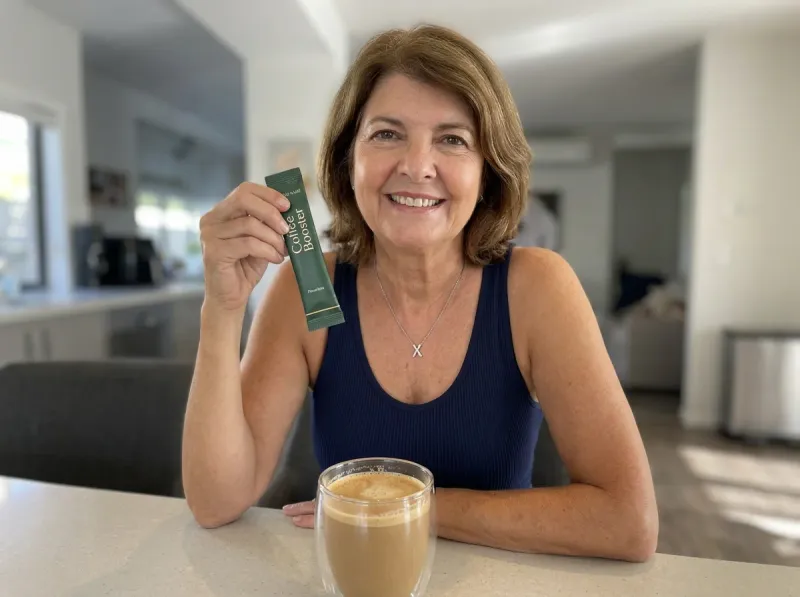
Step 4 is the one most people skip, and it is the easiest. Akemi Coffee Boost was designed to be stirred into the coffee you already drink, so the upgrade takes about five seconds.
Our recommendation: Akemi Coffee Boost
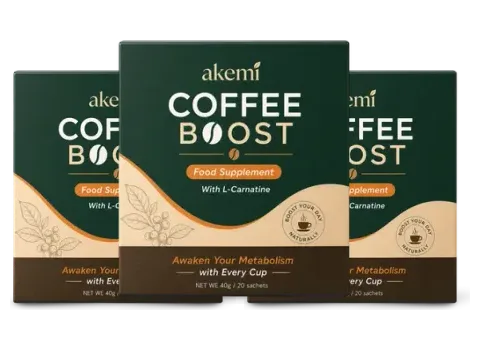
If you want your morning coffee to work for your weight goals without turning it into a project, Akemi Coffee Boost is the option we recommend. It was made for exactly this routine: one flavorless, odorless sachet stirred into your first cup, whether you drink it before or with breakfast.
It answers the real problems from the list above instead of the imaginary ones:
- Gentler, more filling coffee. Psyllium husk and resistant dextrin add fiber to the cup, which helps you feel full and makes coffee easier on an empty stomach than black coffee alone.
- Steadier mornings. Mulberry leaf and green coffee bean extracts are included to support steadier blood sugar after meals, and white kidney bean extract is the well-known carb blocker for starchy breakfasts.
- Metabolism and energy support. Green tea extract and L-carnitine round out the 7 plant-based ingredients.
- No caffeine overload. Each sachet adds only about 30 mg of natural caffeine, so it does not turn one cup into three.
It dissolves in hot or iced coffee without changing the taste, and customers rate it 4.8/5 across 3,758 reviews on the official site. Pricing is straightforward: 1 box $29.99, 2 boxes $49.98 ($24.99 each) or 3 boxes $59.97 ($19.99 each, about $1 a day). It is a one-time purchase with no subscription, shipping is calculated at checkout, and every order is covered by a 30-day money-back guarantee. The only small catch: it is sold only on the official website, and like any daily habit it takes a few weeks of consistent use to show its full effect.
As always, if you are pregnant, nursing, taking medication or managing a health condition such as reflux or diabetes, talk to your doctor before changing your coffee routine or adding any supplement.
Frequently asked questions
Is it bad to drink coffee on an empty stomach?
For most healthy adults, no. Coffee on an empty stomach is not harmful by itself. Some people do notice heartburn, an upset stomach or jitters when they drink it before eating, and for them a small snack or a later cup solves the problem. If you have reflux, ulcers or a sensitive stomach, follow your doctor’s advice.
Does coffee on an empty stomach burn more fat?
Not in any meaningful way. Caffeine gives metabolism a small, temporary nudge whether or not you have eaten, and the difference between fasted and fed coffee is too small to matter for weight loss. Consistent daily habits, protein, fiber and movement are what move the scale.
Does coffee on an empty stomach raise cortisol?
Caffeine can raise cortisol slightly, and cortisol is already naturally high first thing in the morning. For healthy adults who drink moderate amounts, this is not a reason to fear black coffee. Waiting an hour or so after waking and drinking it with breakfast is a reasonable, low-effort way to smooth things out if you feel wired.
What should I eat with my morning coffee for weight loss?
Something with protein and fiber: eggs, Greek yogurt, cottage cheese, oatmeal with berries or a protein shake. That combination keeps you full for hours and prevents the mid-morning hunger that often follows coffee-only breakfasts.
Can I add a coffee booster to coffee on an empty stomach?
Yes. Akemi Coffee Boost is designed to go into your regular cup and adds fiber from psyllium and resistant dextrin plus white kidney bean extract, which makes coffee gentler and more filling than black coffee alone. If you have a sensitive stomach, pairing the cup with a light breakfast is still the most comfortable option.
How long after waking up should I drink coffee?
There is no single right answer. Many people feel best drinking their first cup 60 to 90 minutes after waking, with or right after breakfast, because the natural morning alertness has started to fade by then. If you feel fine with coffee first thing, that is okay too.
Whether you drink your coffee first thing or with breakfast, the one habit that makes it work harder is the simplest: stir in a sachet. Akemi Coffee Boost is a one-time purchase backed by a 30-day money-back guarantee.